




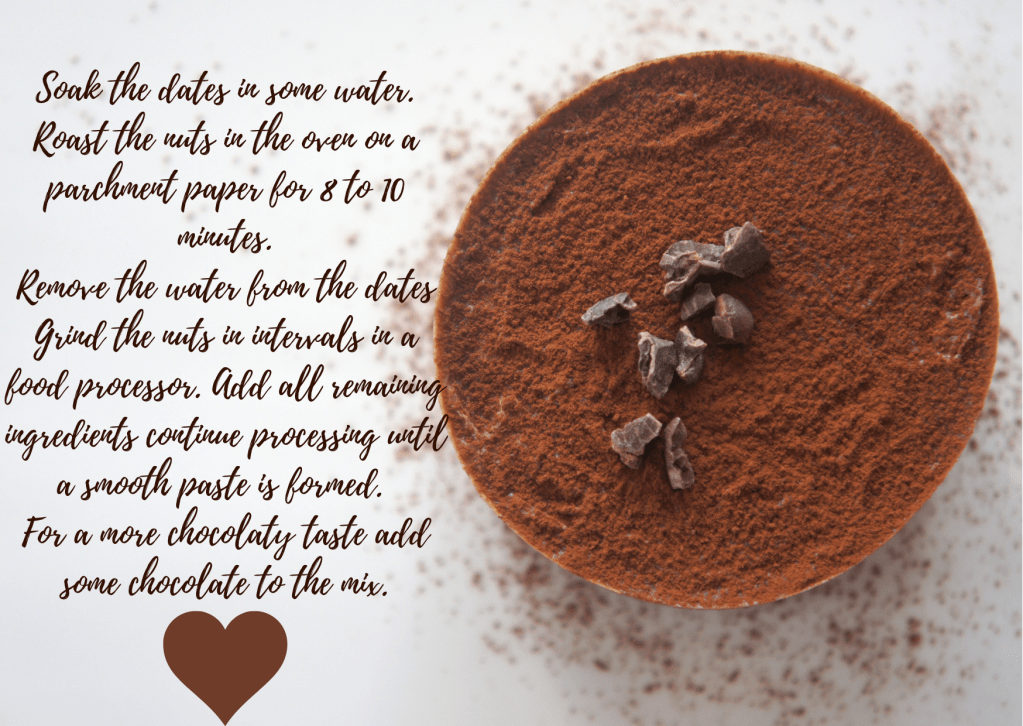
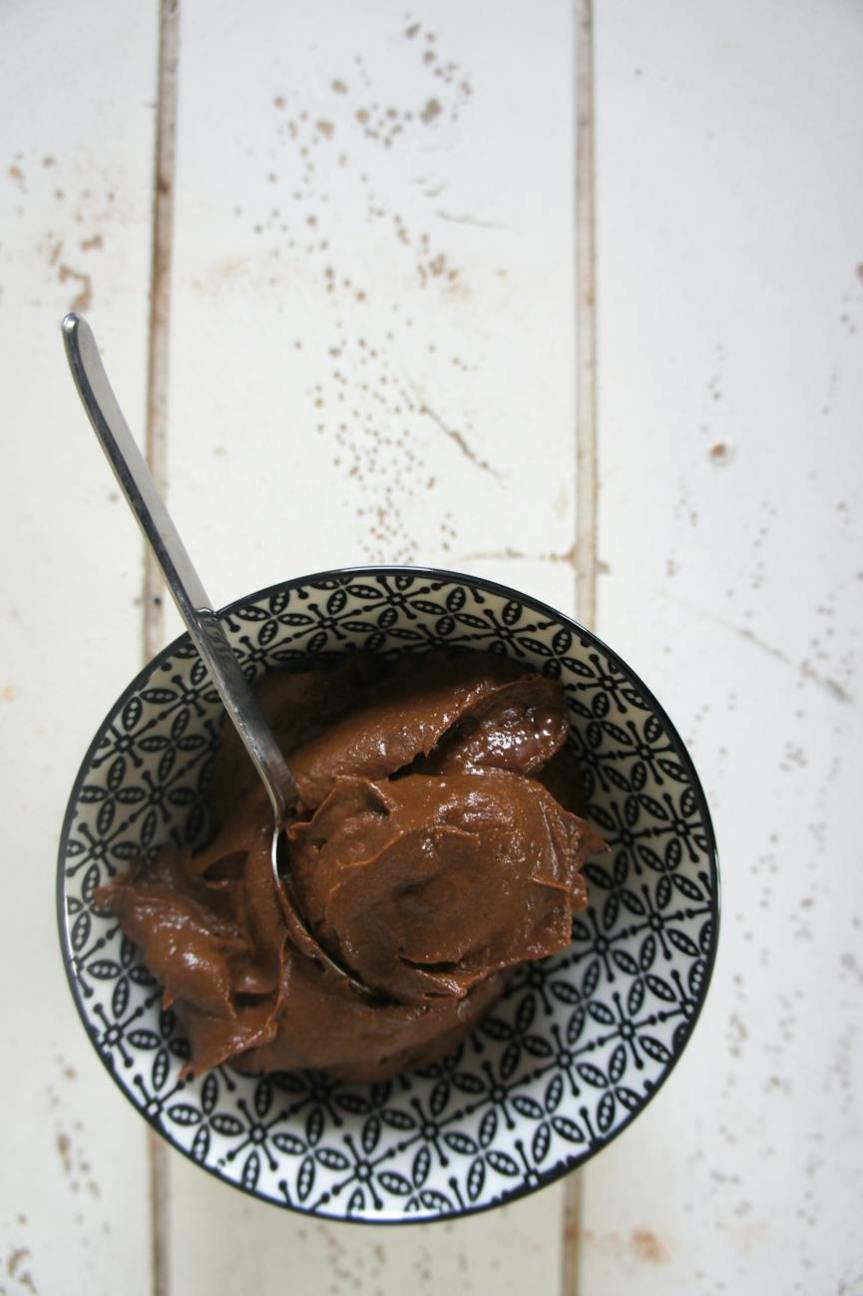
So easy to make and much healthier than store bought versions. For those chocolate cravings, as a spread on bread or as an ingredient in cake or cake fillings.
If the creme turns out to be too dry, blend some more or add a little bit more coconut oil.

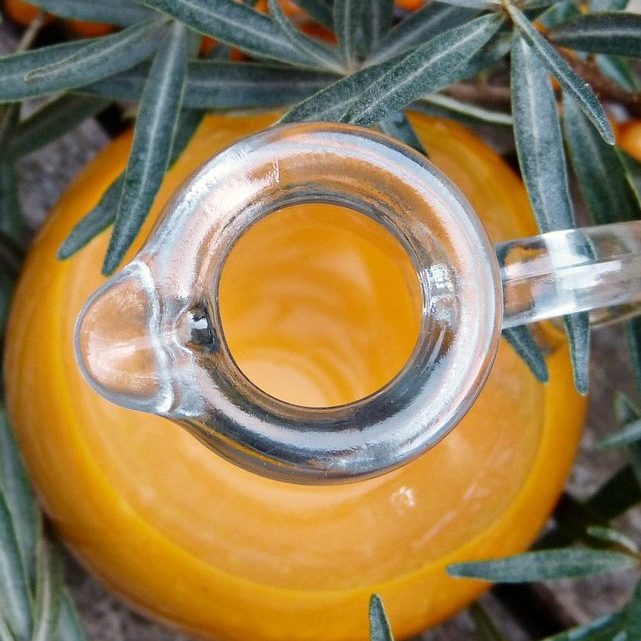
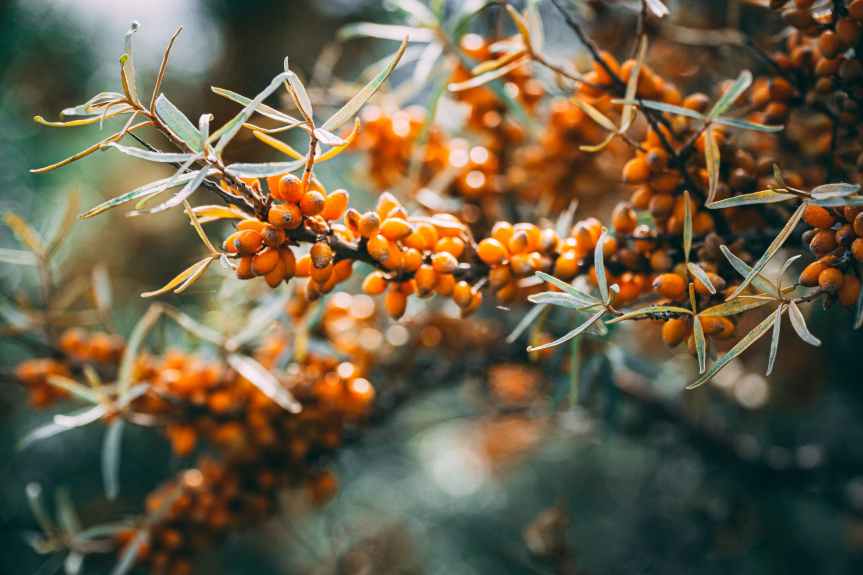
Having been high on the list of healthy remedies of many a mother and grandmother in the past, Sea buckthorn is increasingly attracting the attention of the health industry and is climbing high on the list of upcoming superfoods.
From an unimpressive shrub, the plump yellow fruits contain a huge variety of over 200 bioactive components that have been found to have an expansive range of benefits to human health. Vitamins, fatty acids, amino acids, and minerals make Sea Buckthorn a most valuable ‘best kept secret’.
It’s health benefiting properties include anti-inflammatory, anti-viral, anti-microbial, anti-oxidant, anti-carcinogenic, anti-hyperlipidemic, neuro-protective, and hepato-protective effects.
Sea Buckthorn has been found to contain more Vitamin C than citric fruit and that property alone makes it a most valuable ally during the Winter Season.
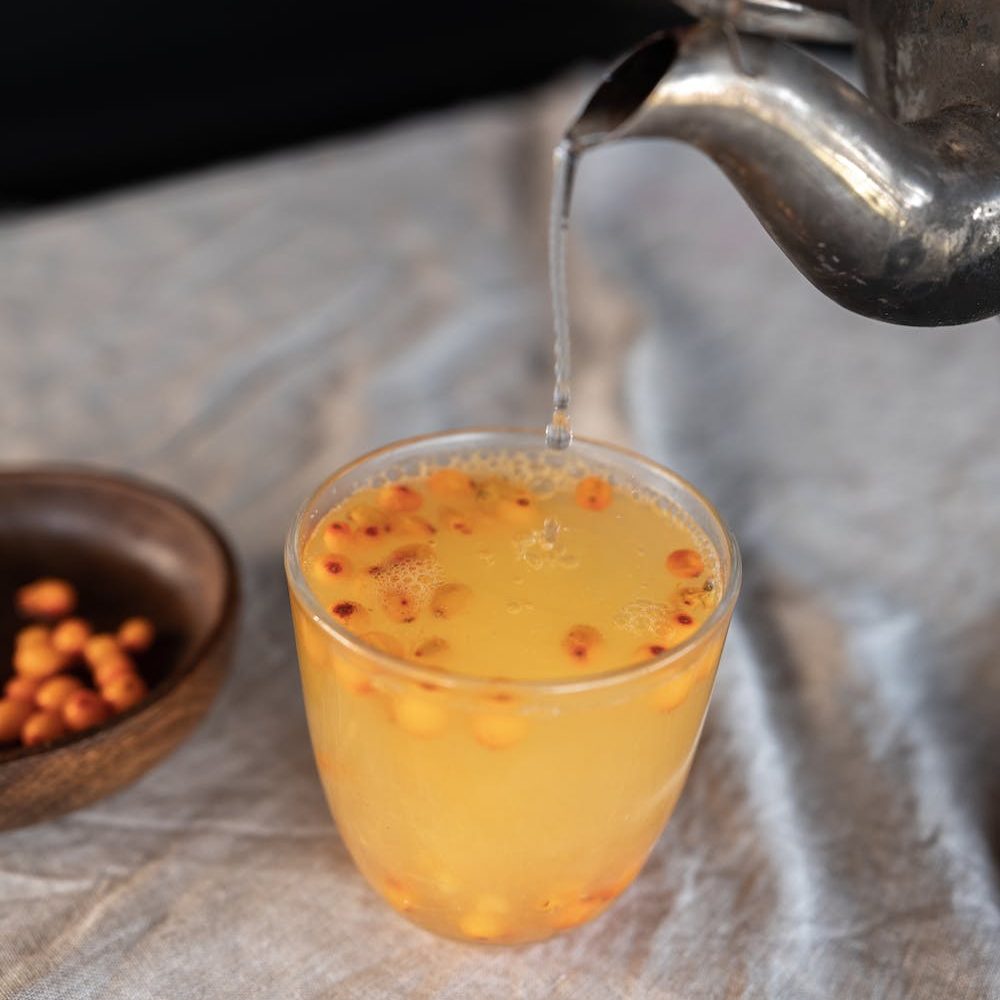
A cup of tea with Sea Buckthorn, is not only a very tasty treat, but one that may promote immune resilience during the colder months.
Sea Buckthorn tea:
500ml water
100gr. Sea Buckthorn
2cm of peeled and grated ginger
½ Stick of Cinnamon
Honey to taste
Put all the ingredients, but not the honey, into a pot and bring to a boil. Simmer for approximately 10 minutes. Remove the cinnamon stick. Then strain the tea making sure to crush the Sea Buckthorn to release the fruit pulp into the tea. Stir. Add the honey once the tea has cooled to a comfortably drinkable temperature.
Shhh…exclusive just for our subscribers. You get to read the Winter Issue first! The Issue is now live and accessible from the front page of the this website ‘Wisdom of Old’ at: https://wisdom-of-old.com/
#weaving #marbles #crochet #knitting #10acres #handicraft #herbal #herbalmedicine #dressapron #WoO #monasticmedicine

250ml Almond (or other) milk + 3 tablespoons extra
50gr. of Dark Chocolate
1 tip of knife pure Bourbon Vanilla
3 ground pods of Cardamom (use a pestle & mortar)
2 tips of knife of ground Cinnamon
A pinch of Nutmeg or All-spice
1 teaspoon of Starch
2-3 tablespoons of Sugar
100ml Whipping Cream
Sugar or Honey to taste
In a small pot heat the milk. In a separate bowl mix the cornstarch with 3 table spoons of cold milk until you have an evenly mixed fluid or paste. Add this to the heated milk and allow the mixture to come to a simmering boil. Keep stirring. The milk will thicken slightly. (The longer you keep simmering and stirring the thicker the milk will get).
Add the chopped chocolate and stir until dissolved. Add the spices and the sugar. Remove the milk from the heat. If adding honey, wait until the hot chocolate has cooled somewhat.
In a separate bowl whip the cream. Before the cream is fully stiff add in 2 to 3 tablespoons of sugar. Mix in and beat until the cream has stiffened sufficiently.
Transfer the hot chocolate to your favorite mug, top up with whipped cream and enjoy!


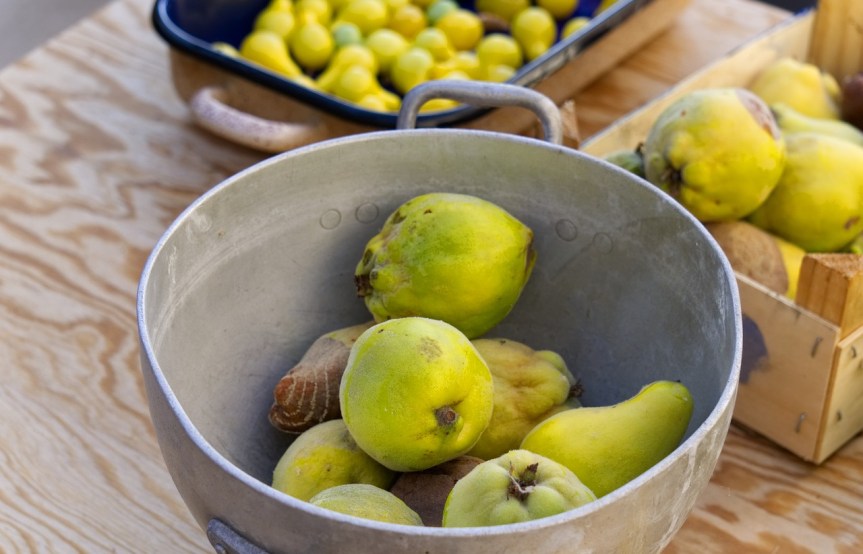
Autumn is the time when quinces ripen and are ready for harvesting. They are a fruit, somewhat bigger than apples and firmer in their flesh. They have a slightly sour taste, are healthy and very tasty. In kitchens of days gone by they were staples for marmalade, jam, compote, jelly, cakes and medicinal concoctions.
Today their use has diminished, too arduous is their processing. Occasionally they can be found as a side to savory dishes in the form of a base for chutneys. However, this versatile fruit, high in Vitamin C and in the old days praised for it’s effect in colds and digestive complaints, makes the perfect, almost forgotten autumn or Christmas treat – Quince bread.
Not a bread at all, but a delicious jelly bite that beats any fruit gums in taste, is so much healthier and not at all that hard to make.
It only takes a few ingredients to make quince bread.
1-1.5kg of quinces
1 kg of sugar
Juice of 3-4 lemons
Wash the quinces well and rub them dry to remove all of the velvety layer on the skin. Cut the quinces into small pieces (1-2cm in size) removing the core and the seeds. Transfer to a cooking pot, add the sugar and the lemon juice and cook over medium heat until the fruit chunks are fairly tender. This will take between 40 to 60 minutes. Stir often to assure that the fruits do not set and burn at the bottom of the pot.
Remove the pot from the heat and use a mixer or other kitchen aid to puree the quinces. Place the mousse back into a pot and simmer, while stirring, until the mixture is thick and pasty.
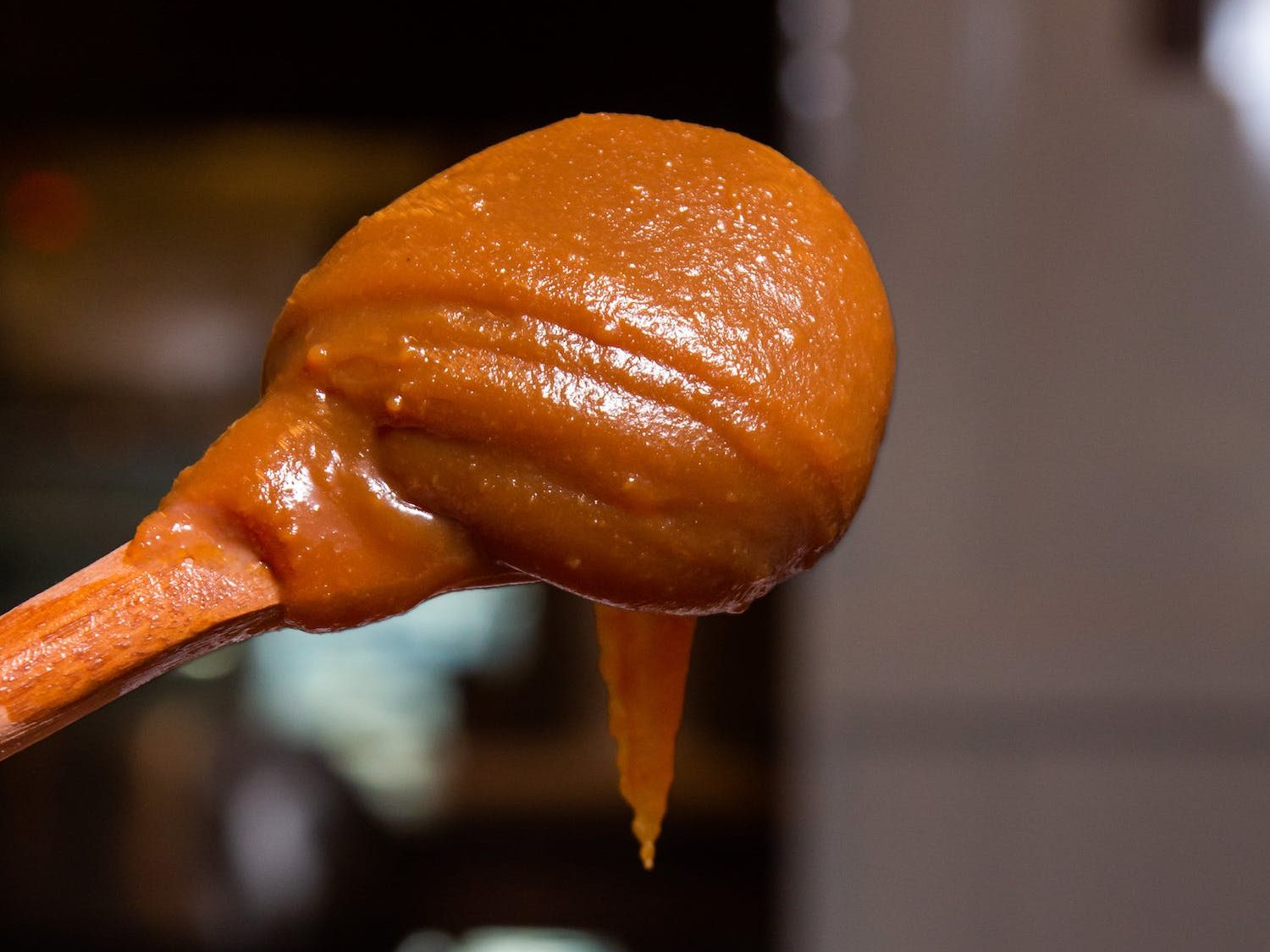
Spread the quince mixture onto one or two baking trays lined with baking paper and transfer to the oven. The thickness of the mouse layer can vary and is pretty much down to ones own taste. A little less than about 1cm thickness makes a tasty ‘bread’.
‘Dry’ these sheets of quince mouse in the oven on low heat for as long as it takes for the bread to no longer stick too much and the back of a spoon can not be dipped into the mouse pulling it off the parchment paper upon removal. This process can take between 4 and 5 hours or more. Alternatively the mouse can be dried in a warm and dry place over several days, but needs to be turned over once ‘dry’ on one side.
Remove the ‘bread’ from the oven and allow to cool. The color should have changed to a dark red or dark maroon. Once cooled “peel” the quince jelly off the parchment paper, cut into shapes and sprinkle with coarse sugar. Alternatively you ca dip the shapes into chocolate for a chocolaty treat. Keep in a dry, airtight container.
Enjoy!


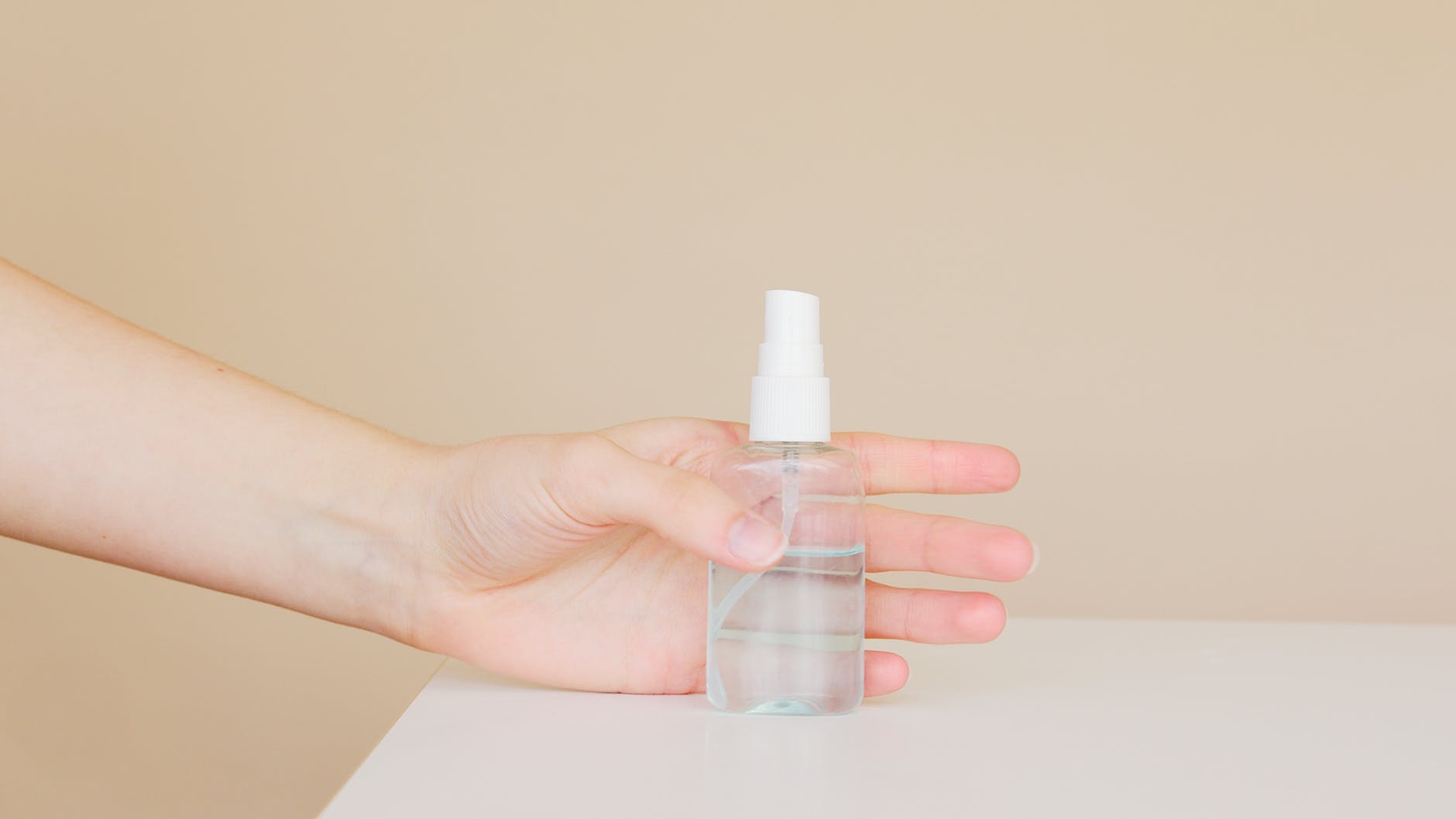
It translates as ‘Salt-schnapps’ and is a high percentage hard liquor that gets mixed with some salt and is as such transformed into a ‘medicinal tincture’ apt to treat a number of ills and ails.
To make it one needs about 1/2 l of Cherry spirit or clear brandy of 40% to 45% alc. and 2 heaped tablespoons of sea salt.
In a bottle mix the spirit and the salt until the salt is completely dissolved. If it doesn’t dissolve complete it means that saturation has been reached in the mixture. When you then run low on this mixture, it suffices to add some more spirit to then dissolve the remaining salt and make some more of the ‘salt-schnapps’.
Seal the bottle and keep on your medicine shelf or cupboard to use as and when needed.
The salt schnapps is destined for internal and external use.
For an external application the salt brandy is used undiluted and applied locally by rubbing or wrapping the affected area. Traditional uses include: Joint pain, hip and sciatica pain, rheumatism. Bruises and bumps, boils and ulcers, headaches, insect bites and more. The area should be treated 2 to 3 times consecutively followed by a break of a couple of hours to see if an effect is showing, before being repeated if needed. If there is no effect another treatment and/or medicinal advice should be sought.
Internal uses include: Heartburn, colds, stomach upset, digestive problems. 1 teaspoon of ‘salt schnapps’ is dissolved in 4 tablespoons of hot water and this is ingested once in the morning on an empty stomach and once in the evening before night rest. If the complaint has not improved after this intake, medical advice should be sought.
At no time should the information in these pages be interpreted as a means of diagnosis or treatment for a severe disease or condition. If the remedies fail to show relief or improvement after an acceptable amount of time following the administration, a qualified diagnosis and treatment should be sought from a licensed medical professional. At no time does the treatment mentioned in this website or in the journal replace the consultation with a health care professional!

Ingredients: 250gr. flour, 125gr.Butter, 75 gr. Sugar, 1/2 Teasp. Baking powder, grated lemon peel, extra sugar & cinnamon powder
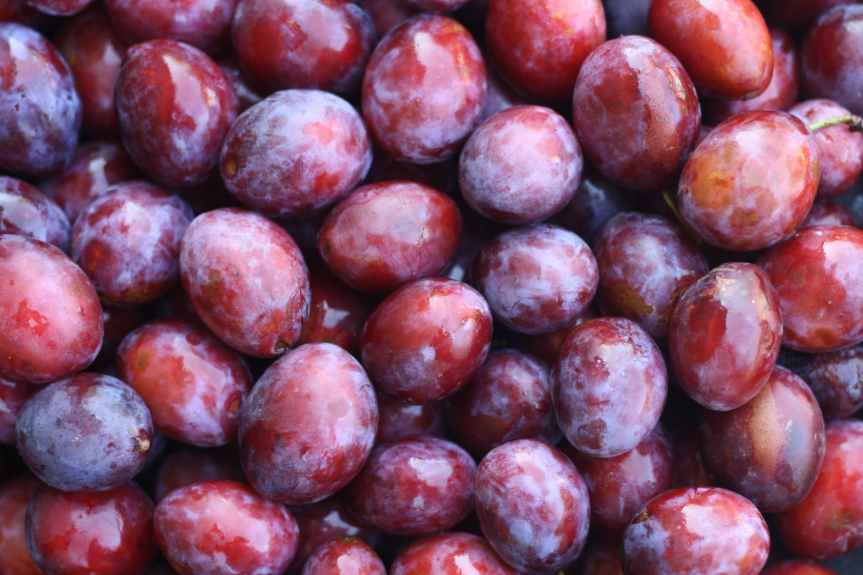
Mix to a batter and spread on a baking tray. Remove the pip of the plums and place them on the dough. Sprinkle sugar (quantity depends on how sweet the plums are) and cinnamon on the plums.
Mix a crumbly dough of: 100gr. Butter, 200gr.Sugar, 200gr. Flour & 1/2 Teasp. cinnamon powder
Crumble on top of the cake and bake for 45 minutes or until a tooth pick comes out clean when poked into the dough. Allow to cool and enjoy with freshly whipped cream.
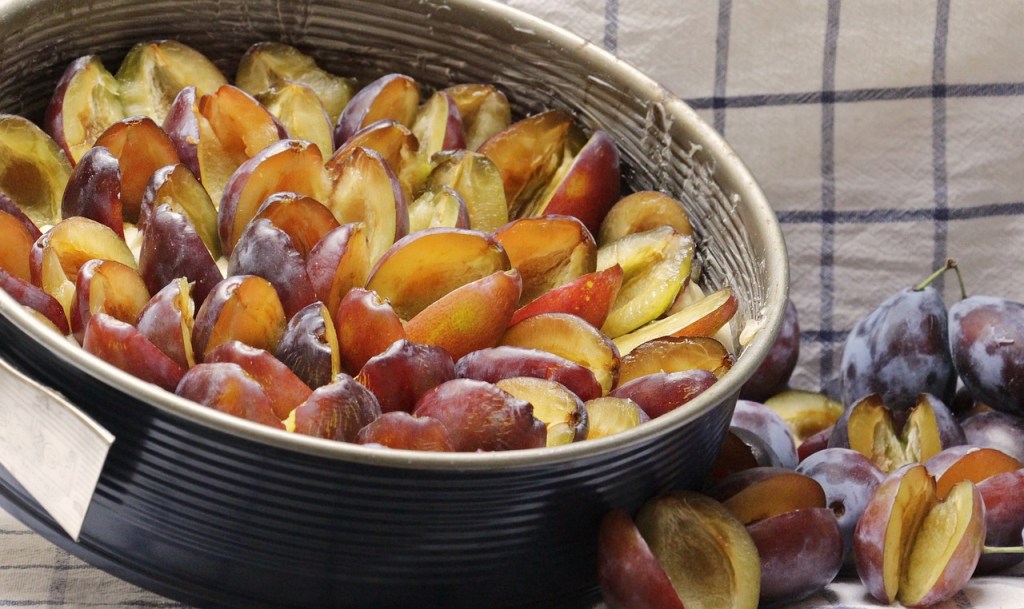
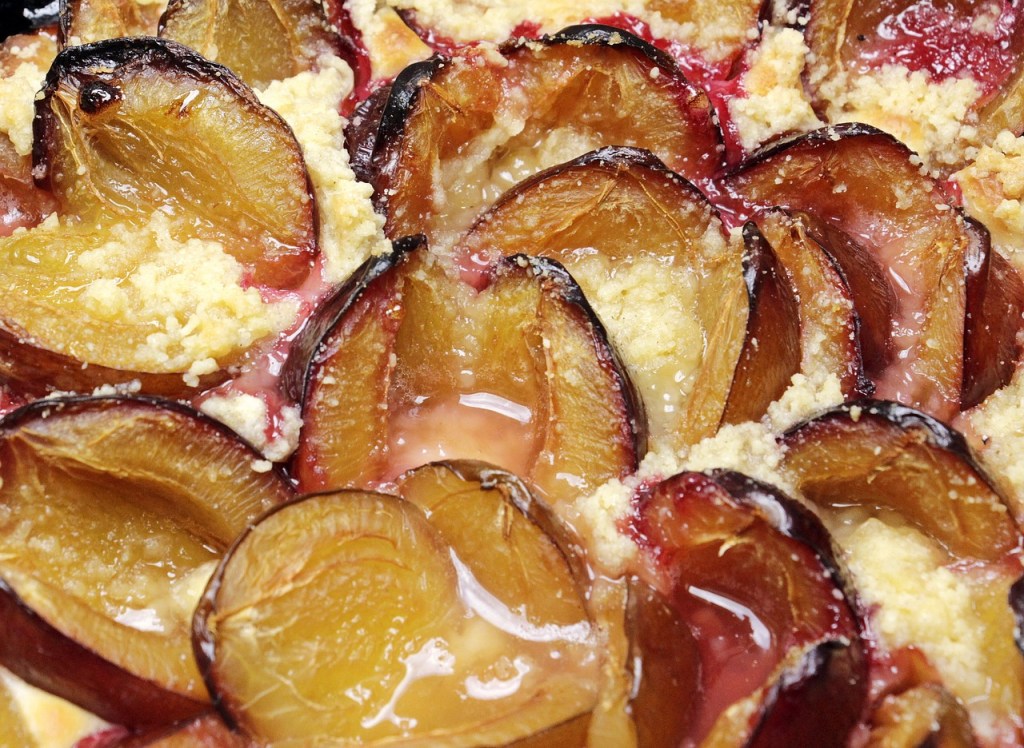


The arrival of autumn brings with it a delicious treat and a potent remedy-they are from the same genus plant but very different…
Read the full article in the upcoming issue to be published on October 1st.

Gardening with the moon…what is recommended to be done or abstain from during different phases of the moon? Pay attention to when you plant, prune, water or harvest.
Read the full article in the upcoming issue to be published on October 1st.



 Wisdom of Old